Antalya is two holidays wearing one name. There is the city — a genuinely old Mediterranean port where Hadrian walked through his own gate and the evening call to prayer drifts over a Roman harbour. And there is the coast — Lara's sand, Belek's fairways, Side's temple columns standing in the sea spray. The mistake is treating it as either one; the trick is knowing which day belongs to which.
Get your bearings first
| Area | Character | Verdict |
|---|---|---|
| Kaleiçi | Ottoman old town | The reason to stay central — Roman walls, boutique pansiyon hotels, the old harbour. Everything else radiates from here. |
| Konyaaltı | City beach + museum | Pebbles, mountain backdrop, the Antalya Museum. The locals' side of town. |
| Lara | Sand + resort strip | Beach clubs and big hotels east of the city. Pick it for a lounger day, not for sightseeing. |
| Belek | Golf + five-star resorts | A purpose-built resort town 35 km east. You come here for the hotel, and day-trip into the city. |
| Side | Ancient city on the sea | A Roman city with a working town inside it — the Temple of Apollo at sunset is the postcard. |
| Kemer | Mountains meet the sea | Pine forests dropping into clear water, 45 minutes west. Gateway to Phaselis and the Tahtalı cable car. |
Alanya is its own trip. It sits two hours further east with its own airport (GZP) and its own castle, beach and rhythm — treat it as a separate destination rather than an Antalya day out.
Kaleiçi — the old town
Enter the way visitors have for eighteen centuries: through Hadrian's Gate, the triple marble arch built for the emperor's visit in 130 AD. The glass walkway shows the road level dropping through Roman, Byzantine and Ottoman layers under your feet.
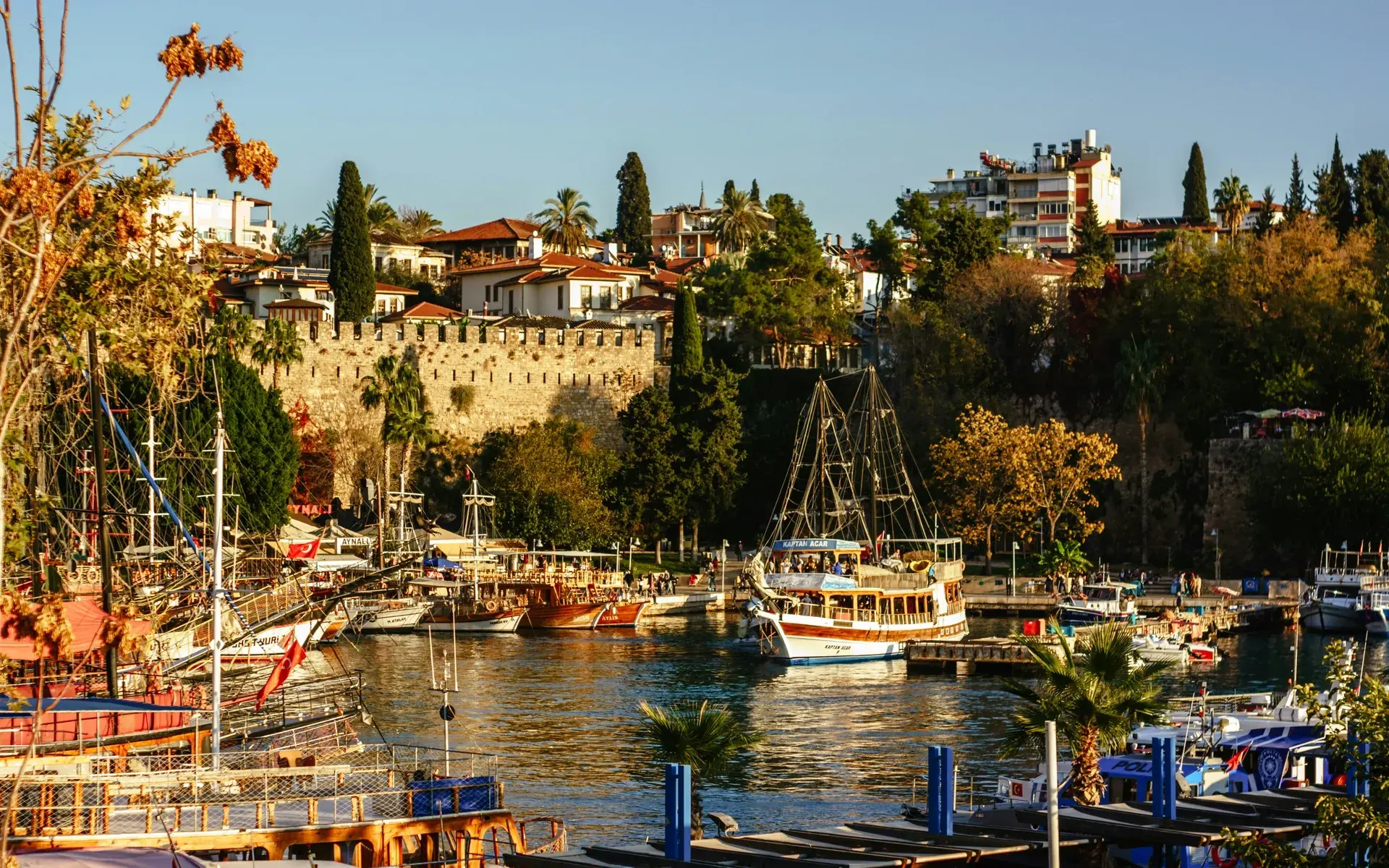
Inside the walls, drift rather than navigate — the point of Kaleiçi is the maze itself: restored Ottoman mansions, courtyard cafés under orange trees, the fluted Yivli Minare that has been the city's emblem since the Seljuks built it in the 1200s. Work your way downhill to the old harbour, a crescent of café terraces inside the Roman breakwater, and finish at Hıdırlık Tower on the cliff edge — the free sunset spot the whole city shares, with the Beydağları range going purple across the gulf.
Beach days
Konyaaltı runs west from the cliffs: several kilometres of pebble beach with a promenade, open-air cafés and the mountains close enough to touch. It pairs perfectly with the Antalya Museum at its eastern end — one of Turkey's best archaeology collections, where the statues excavated at Perge actually live. See the museum in the morning heat, swim in the afternoon.
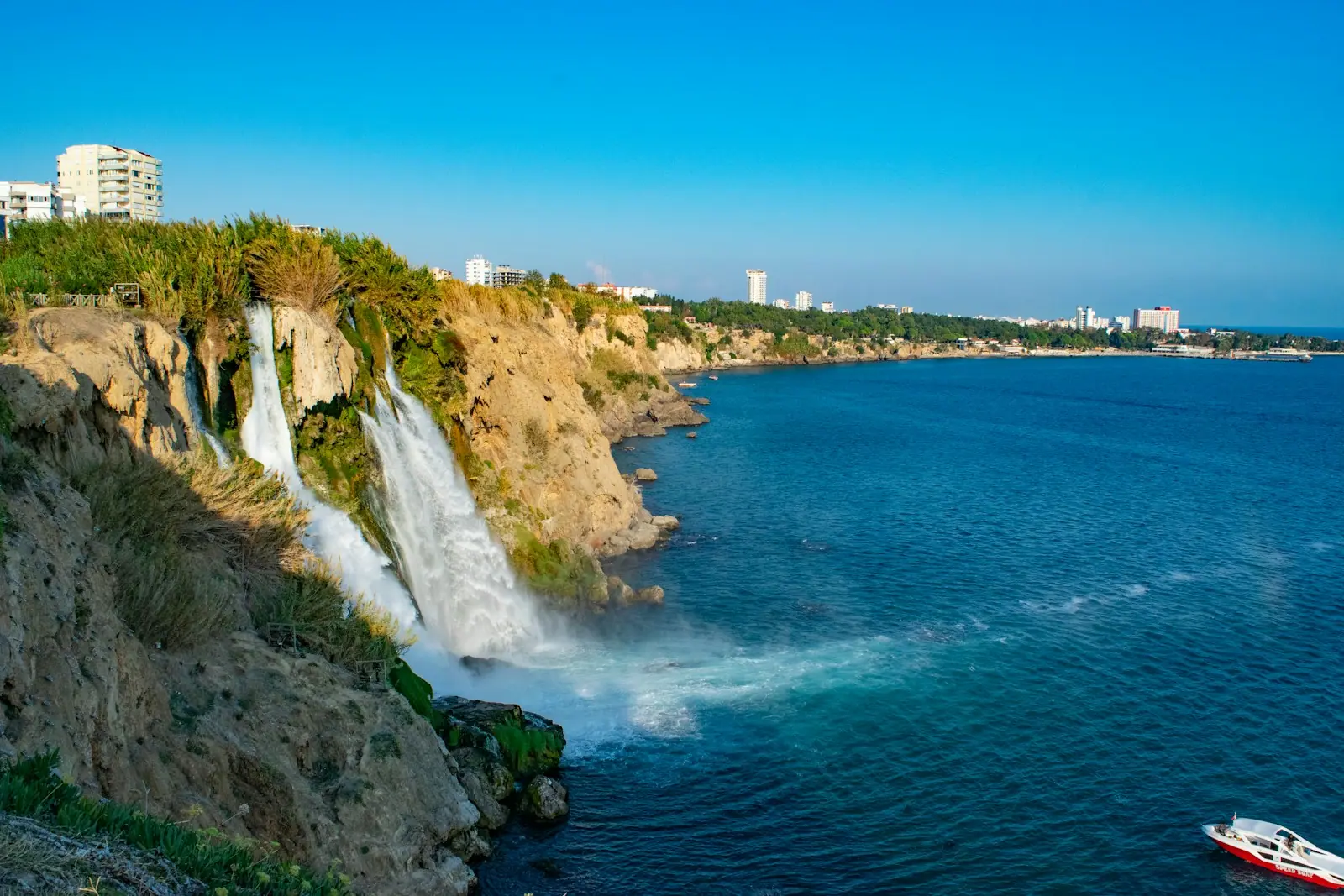
Lara, east of the airport road, is the sandy one — a long strip of beach clubs and themed resort hotels. Between the two, the coastal cliffs hide small platform-and-ladder swimming spots the locals use; and at the city's edge the Lower Düden waterfall pours straight off the cliff into the sea, best seen from the water on a short boat trip out of the old harbour.
Waterfalls and green afternoons
The Upper Düden falls, twenty minutes inland, drop through a shaded park where you can walk behind the curtain of water — the temperature falls ten degrees the moment you enter the canyon. Kurşunlu, on the road toward Perge and Aspendos, is a smaller cascade in a pine gorge with turtle-filled pools; it slots naturally into an ancient-cities day as the cool stop between ruins.
For altitude instead of water, the Tünektepe cable car lifts you 600 m above Konyaaltı for the full sweep of the gulf — or drive out to Kemer for the big one, the Olympos Teleferik up Tahtalı, 2,365 m from Mediterranean pines to bare summit rock in ten minutes.
Book as a tour: Antalya Old Town & Düden Waterfalls
The ancient cities
Perge is the archaeology heavyweight — a colonnaded Roman avenue with the water channel still running down its spine, a stadium you can walk the length of, and almost no shade, so go early. Aspendos, forty minutes further, is a single overwhelming thing: the best-preserved Roman theatre anywhere on the Mediterranean, its stage wall intact to the roofline. The two combine into the classic day out, with Kurşunlu waterfall as the lunch stop.
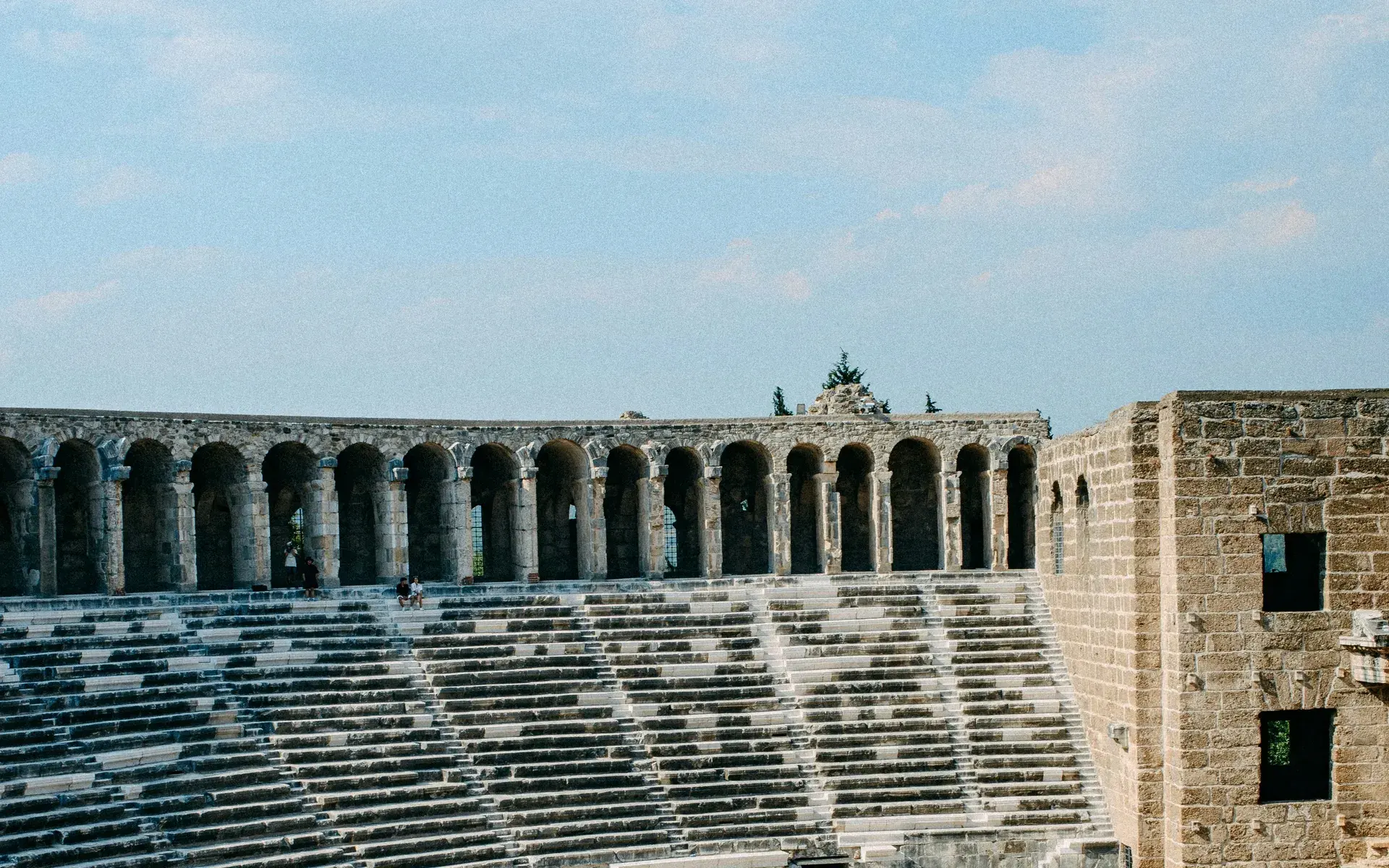
Termessos is the wild one — a Pisidian mountain city at 1,000 m that even Alexander the Great decided not to storm, its theatre hanging over a gorge. It asks for proper shoes and a cooler day. Side and Phaselis are the seaside pair: Side a living town threaded through Roman ruins with the Temple of Apollo on its point, Phaselis three quiet bays around a ruined harbour street under Kemer's pines — bring swimwear to both.
Book as a tour: Demre, Myra & Kekova Boat Trip
Getting there and around
Once you're in, the city is simple: Kaleiçi on foot, Konyaaltı and the museum by the nostalgic tram line, everything further — waterfalls, Perge, Aspendos, Kemer — by booked car or organised tour. Distances along this coast are honest but long; the resort that looks adjacent on the map is often an hour's drive.
Frequently asked questions
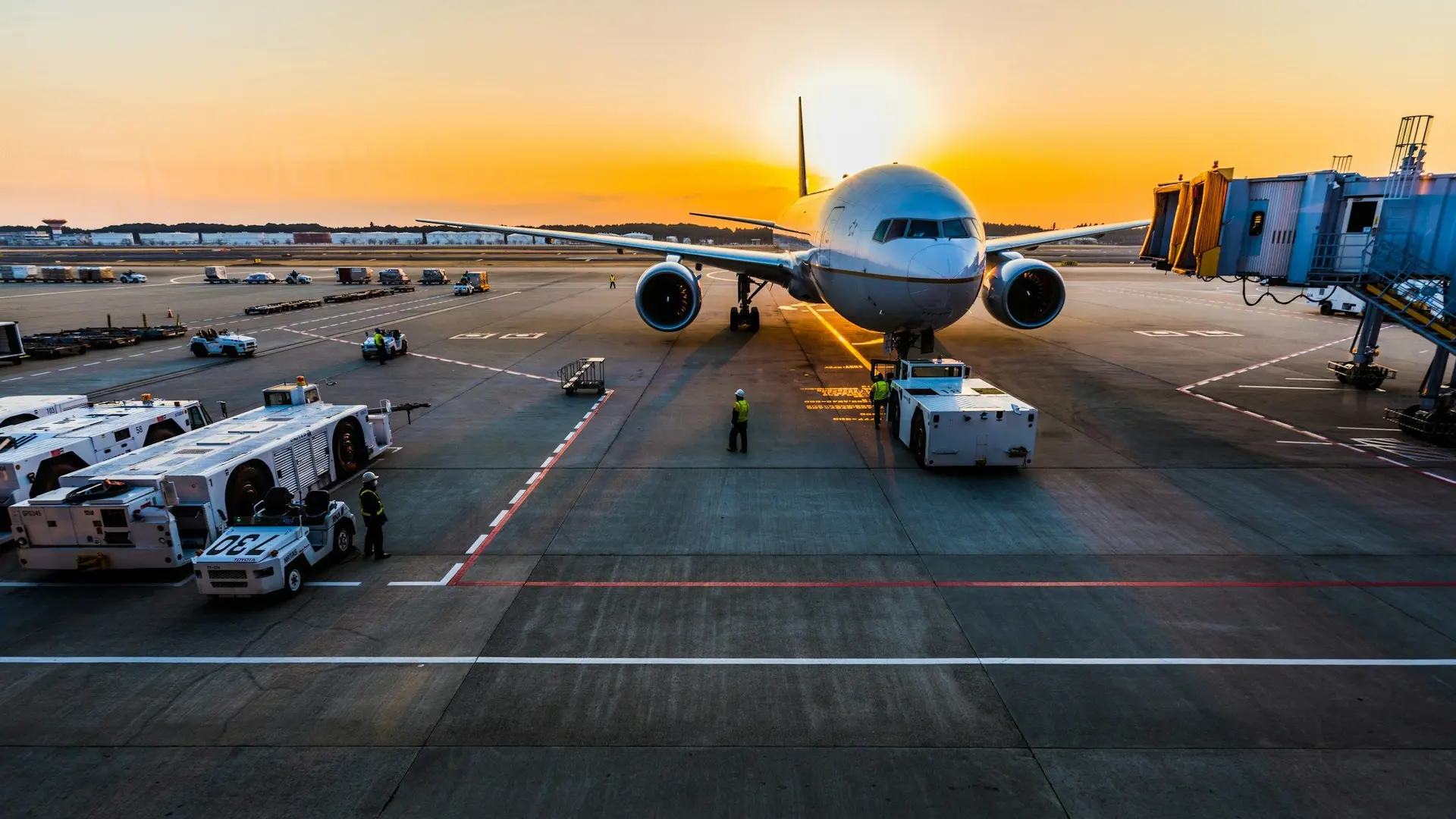
Flying in? The Antalya Airport transfer guide prices every resort on this coast, and the Antalya transfer hub covers the city itself. For bookable tours and tickets, the links below search GetYourGuide live.