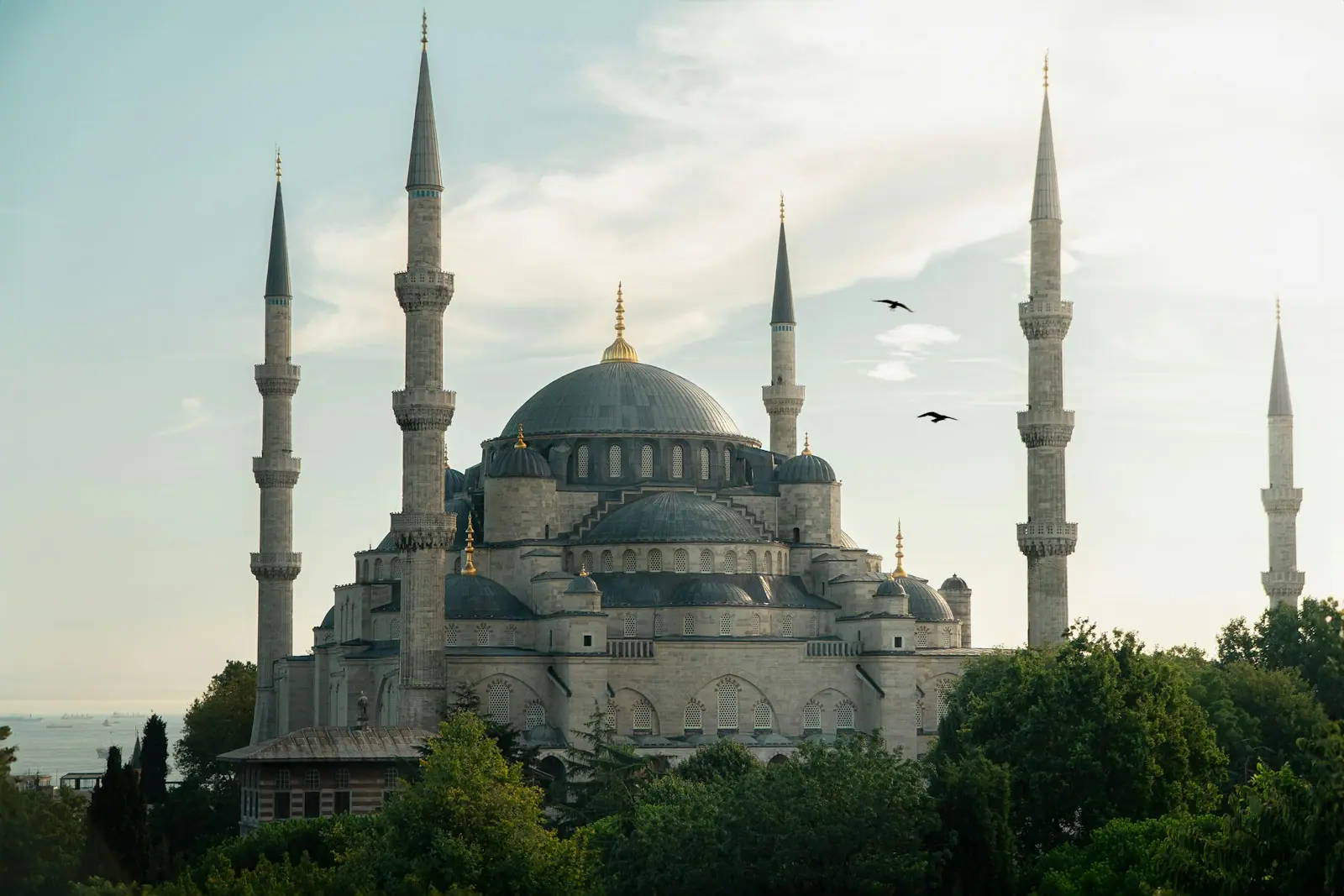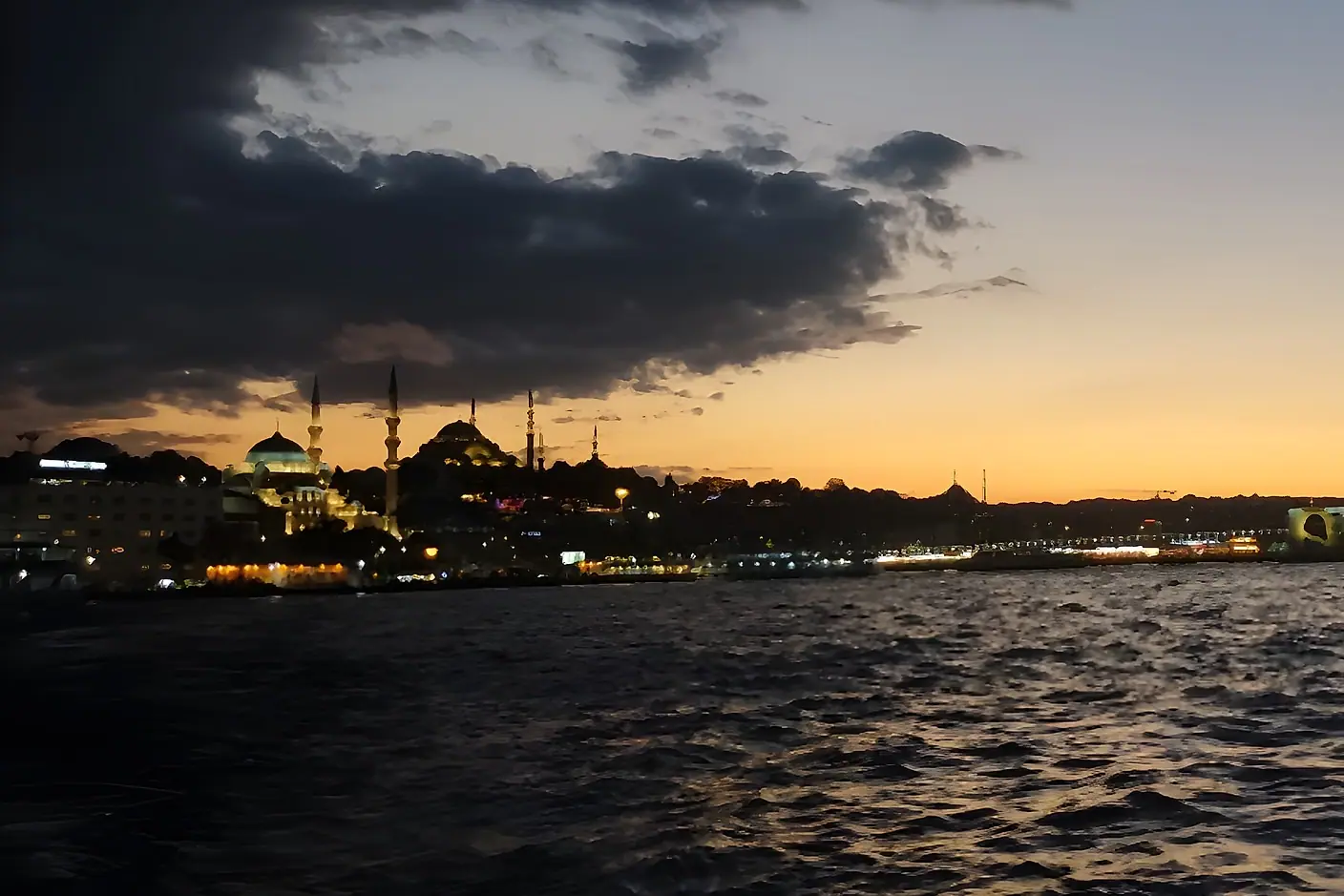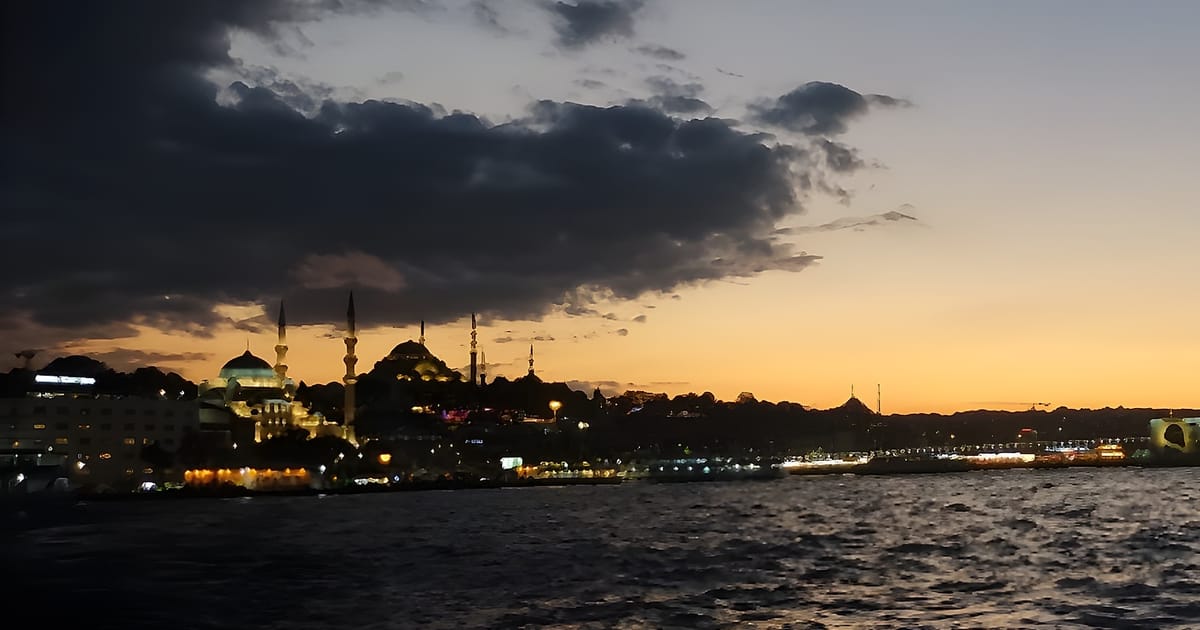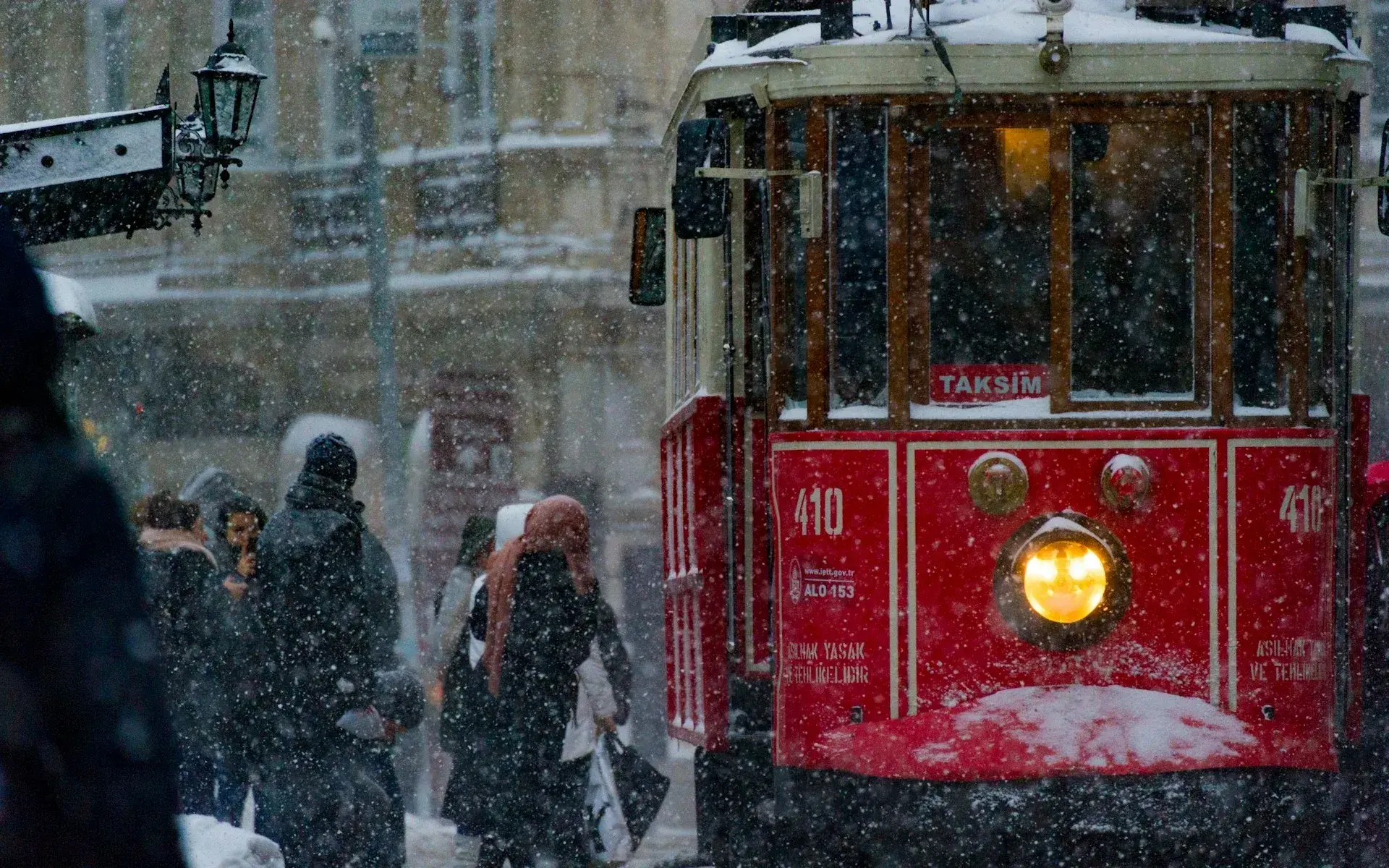
Istanbul is a different city in winter, and that is the argument for coming. The queue at Hagia Sophia that runs for hours in August takes minutes in January. Grand Bazaar traders have time to talk. The Bosphorus turns steel-grey and dramatic, and on the two or three mornings a year it snows, the domes and minarets come out of the white like a medieval watercolour. For value, atmosphere and room to breathe, winter is the season most visitors skip and the one locals would pick.
December, January, February — what each month is actually like
Three months, three quite different trips. December is festive and busy with New Year; January is the coldest and emptiest; February is still cold but the light is coming back. Rain is likely in all three — snow is the bonus, not the plan.
| Month | Typical range | What's on | Crowds |
|---|---|---|---|
| December | 6–12 °C | Christmas lights on İstiklal, New Year's Eve build-up, shop windows and hotel galas | Low until Christmas week |
| January | 4–9 °C | Coldest month, best snow chance, fog on the Bosphorus, hammam season | Lowest of the year |
| February | 5–10 °C | Late winter, Valentine's Day, longer afternoons, early almond blossom | Very low |
New Year's Eve in Istanbul — 31 December
New Year's Eve, yılbaşı in Turkish, is the biggest night of the Istanbul winter and it is not a quiet one. The city treats 31 December the way other cities treat a national holiday: the squares fill, the Bosphorus fills with boats, and everything worth doing sells out weeks ahead. Four ways people actually spend it, and the lead time each one needs:
| Where | What it is | Book by |
|---|---|---|
| Bosphorus dinner cruise | Dinner and music on the water with both continents lit up and fireworks over the strait at midnight — the version of the night that only Istanbul can do. | Four to six weeks ahead; the good boats go first |
| Taksim countdown | The free, public, very crowded option: Taksim Square and İstiklal Avenue fill with a huge crowd counting down together. Expect police barriers and bag checks at the entrances. | Nothing to book — be in place by 22:00; entrances are checked |
| Hotel gala dinner | The Bosphorus hotels each run a set-menu gala with a fireworks view. Comfortable, warm, and the easiest option if you are travelling with family. | Months ahead for a window table |
| Beyoğlu rooftop | Rooftop bars across Beyoğlu run ticketed parties with the old city on one side and the strait on the other. Smaller rooms, better views, colder terraces. | Reservation required; terraces fill first |
The part the guides skip is how you get home. On recent New Year's Eves most metro lines have run all night and the trams until about 02:00 — check Metro İstanbul's announcement in late December — but the stations near Taksim are packed, the bridges crawl and a taxi is very hard to find after midnight. Whatever you do on the night, decide your ride home before you go out.
Is Christmas celebrated in Istanbul?
Not as a public holiday — Türkiye is predominantly Muslim and 25 December is an ordinary working day, with shops, museums and transport running as normal. What the city does have is a long December of decoration: İstiklal Avenue is strung with lights, the malls put up trees, and the hotels sell Christmas dinner. Most of it is really New Year's decoration, which in Turkish tradition arrives in December and stays up for yılbaşı.
For the genuine article, the Ecumenical Patriarchate at Fener holds Christmas services, and the Catholic churches off İstiklal — St. Antoine and Santa Maria Draperis — hold Christmas Mass in several languages. If you are travelling from Europe or North America and expecting Christmas Day itself to feel festive, plan the day as a normal Istanbul day and let the evening be the occasion.
What winter does better than summer
Some of Istanbul is simply better cold. The list below is not consolation for bad weather — these are the things that are worse in July.
- New Year's Eve on the water
- Fireworks over the Bosphorus with Europe on one bank and Asia on the other — one night, nowhere else
- Snow on the domes
- Two or three mornings a year the Blue Mosque and Hagia Sophia come up white; it rarely lasts past lunchtime
- Hammam weather
- A Turkish bath makes sense in January in a way it never does in August — Çemberlitaş and Ayasofya Hürrem Sultan are the historic two
- Bluefish season
- Lüfer, çipura and levrek are at their best in the cold months; the waterfront fish restaurants are running on local catch
- Bazaars without the crush
- The Grand Bazaar and Spice Bazaar in winter are a shop, not a scrum — traders have time for tea and a real price
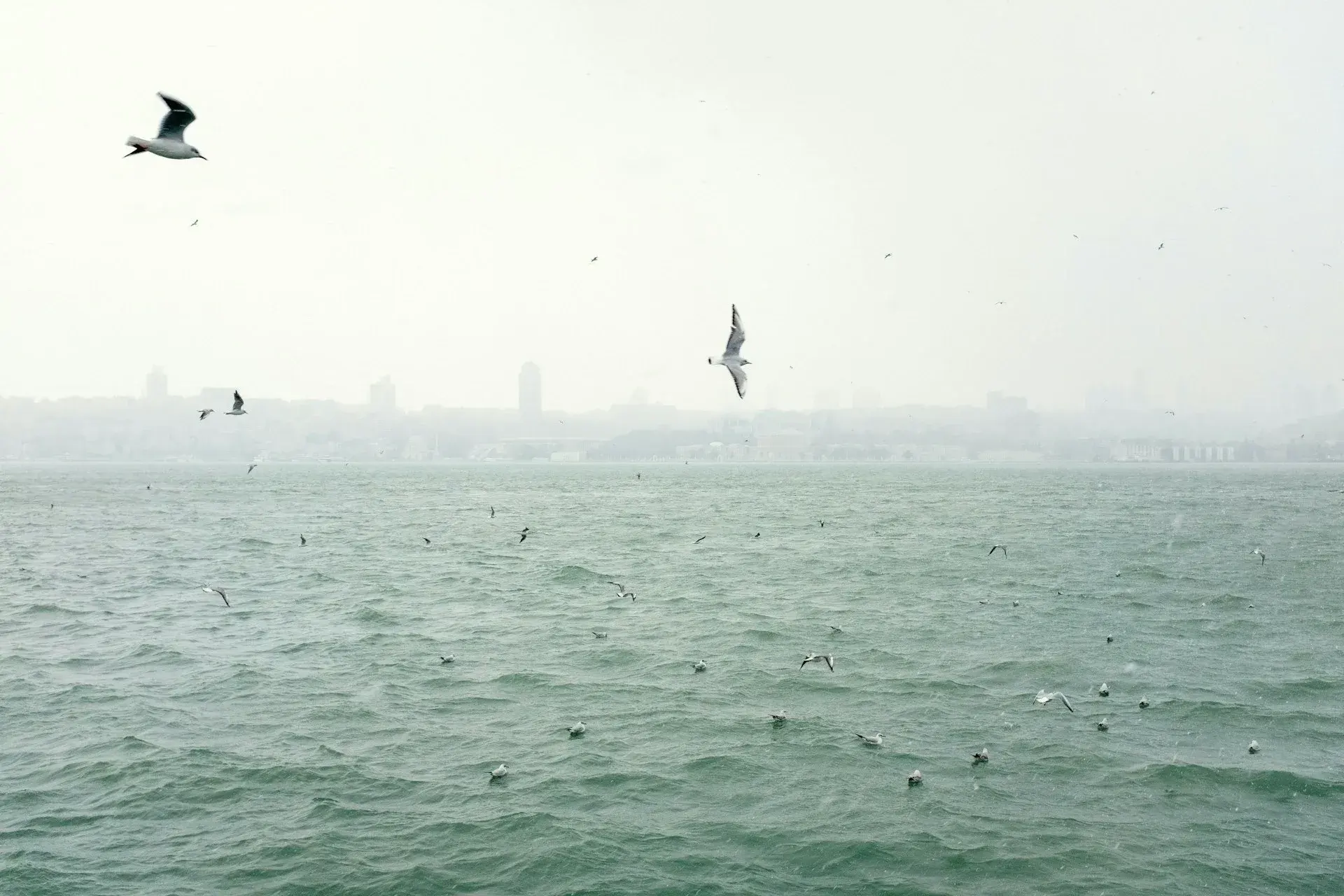
- Fog on the Bosphorus
- The early ferry through winter fog, with the far shore appearing and disappearing, is the best value in the city
What to pack
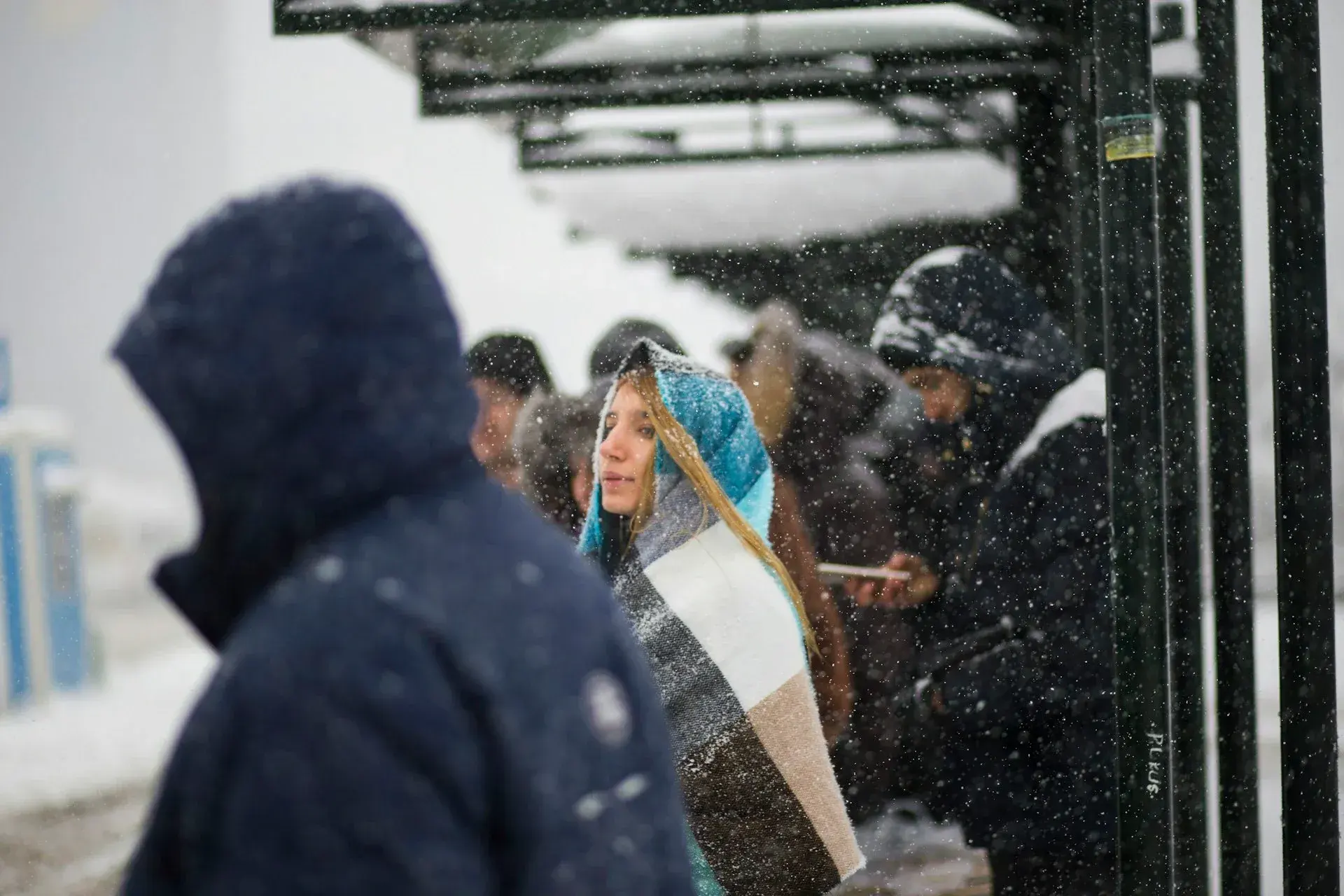
Istanbul's winter is wet more often than it is freezing, and the wind off the water does most of the damage. Pack for rain and wind before you pack for cold.
- 1
A waterproof outer layer
Rain is the default, not the exception — a packable waterproof shell beats a heavy coat that soaks through.
- 2
A warm mid-layer
Fleece or a thin down layer under the shell. The wind coming off the Bosphorus is sharper than the thermometer suggests.
- 3
Waterproof shoes with grip
Wet cobblestones and marble mosque steps are genuinely slippery; trainers get cold and stay cold.
- 4
Scarf and gloves
Mornings, evenings and every ferry crossing. A scarf doubles as mosque covering, which saves carrying two.
- 5
A head covering for mosque visits
Required for women at working mosques and useful for everyone in the wind. Most large mosques lend one, but yours will be nicer.
- 6
A compact umbrella
January is the wettest month. Street vendors appear the moment it rains and charge accordingly.
Getting in from the airport in winter
Winter is the season Istanbul's transport turns unpredictable. Fog closes runways and pushes arrival times around; snow on the O-7 motorway between Istanbul Airport and the city can turn a 40-minute run into two hours; and the taxi queue in arrivals grows exactly when standing outside is least appealing. Four things that change when it is cold:
- 1
Delays are normal in winter, so pickup has to track the flight. A driver watching your flight number adjusts to a two-hour fog delay without you doing anything; a taxi booked for a time does not.
- 2
Snow and ice make local knowledge worth something. The O-7 and the two Bosphorus bridges are the first places Istanbul seizes up, and the alternatives are not obvious from a map.
- 3
A warm vehicle waiting beats a queue in the cold. The arrivals taxi rank at IST is outdoors and exposed; in January with luggage and children it is a long twenty minutes.
- 4
Christmas and New Year are the peak weeks. Demand spikes for ten days and street prices follow it; a fare agreed in advance is agreed before any of that.