Quick Answer
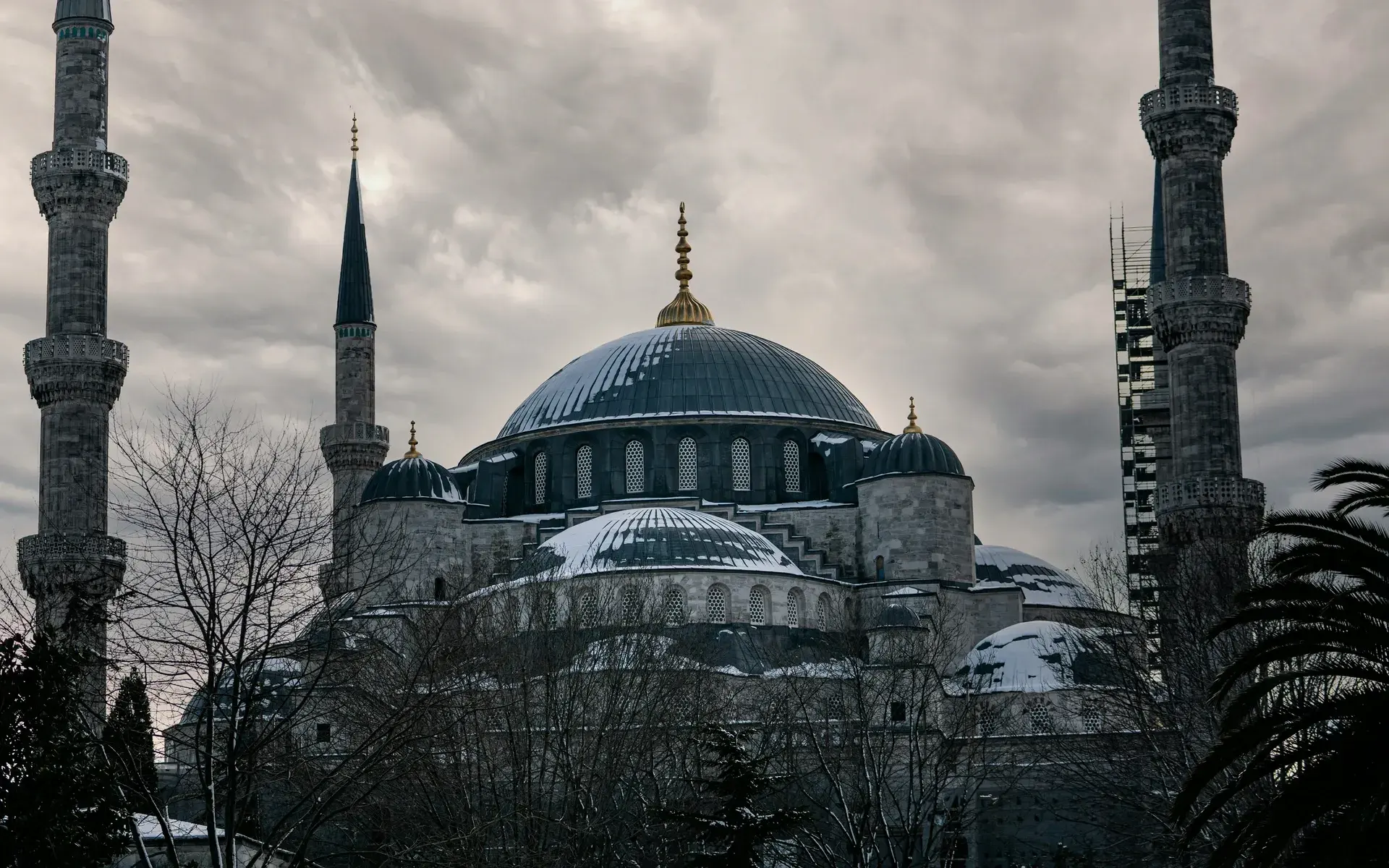
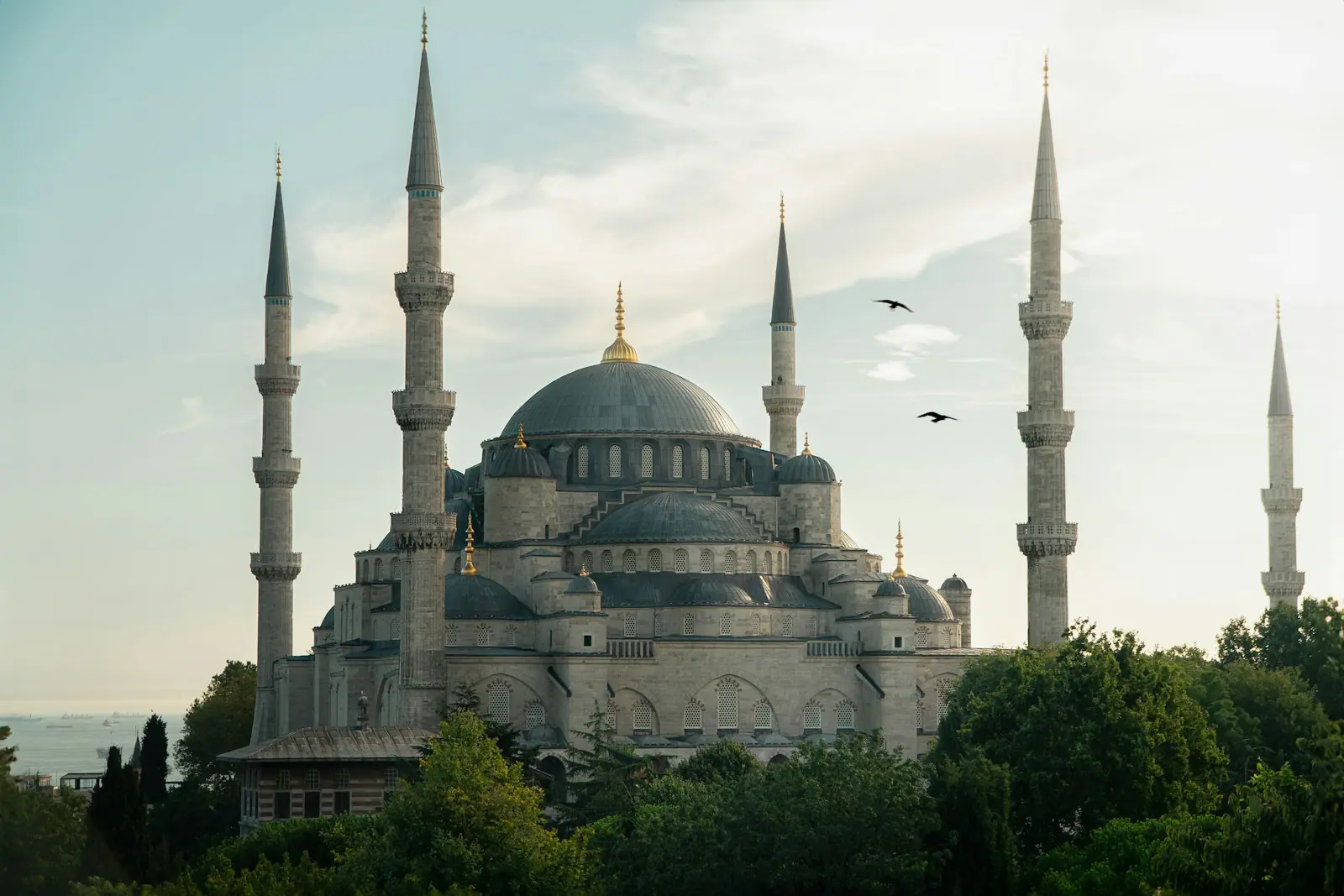
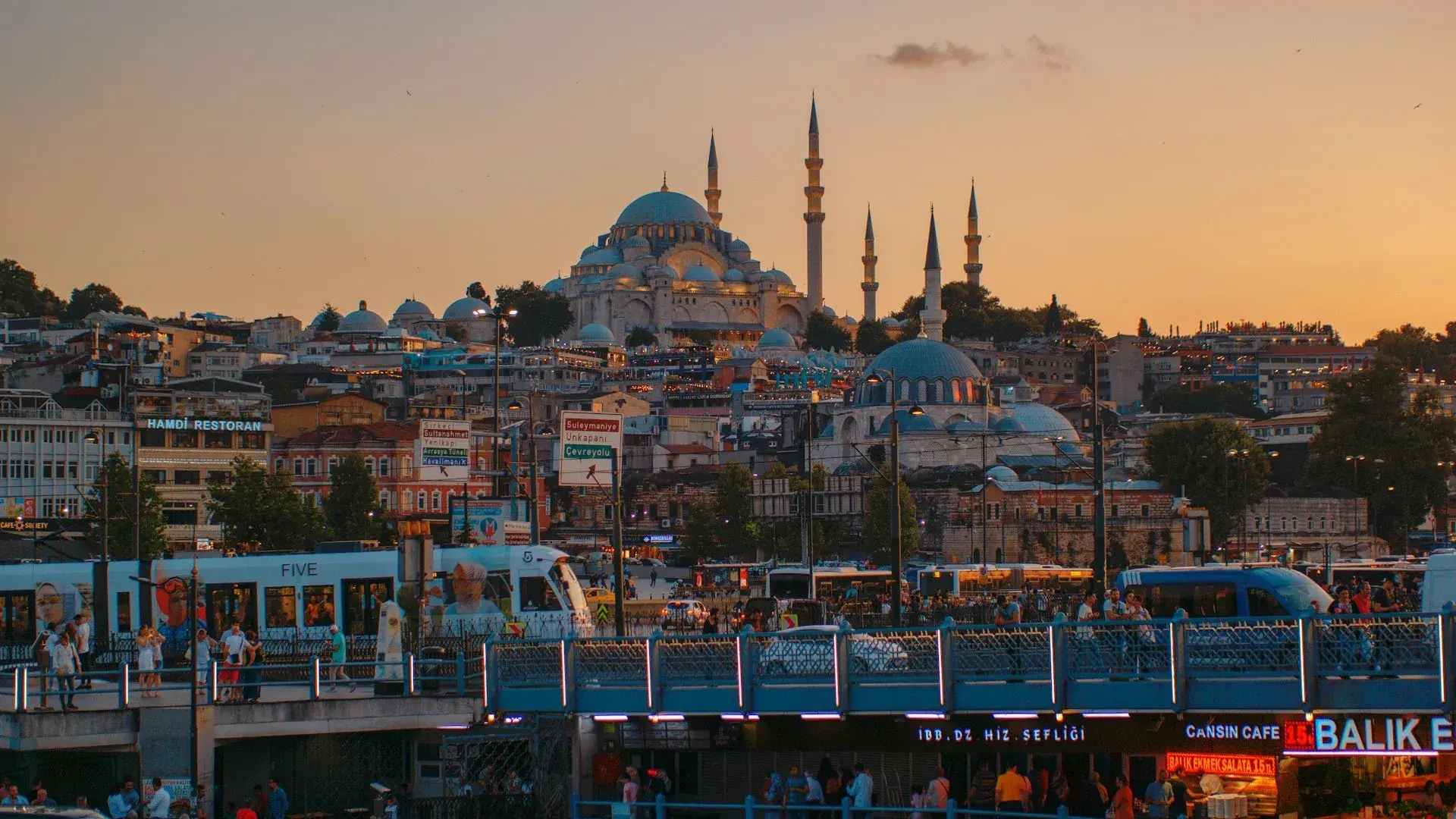
Istanbul is a year-round destination, but the experience varies dramatically by season. From snowflakes falling on the Blue Mosque's minarets in January to the vibrant tulip displays of April, each month has its own character. Here's our honest breakdown based on years of hosting visitors at all times of year.
Month-by-Month Guide
| Month | Temperature | Rain | Crowds | Rating | Notes |
|---|---|---|---|---|---|
| January | 3–9°C | High | Low | 3/5 | Lowest prices, possible snow, full locals' city vibe |
| February | 3–10°C | High | Low | 3/5 | Cheap & quiet. Street food and tea culture shine |
| March | 5–13°C | Moderate | Low–Med | 4/5 | Warming up. Gardens start blooming — great value |
| April | 10–18°C | Moderate | Medium | 5/5 | Tulip Festival! Best month — mild, lively, beautiful |
| May | 15–22°C | Low–Mod | Med–High | 5/5 | Perfect weather. Long days for sightseeing |
| June | 20–28°C | Low | High | 4/5 | Warm & sunny. Bosphorus cruises are popular |
| July | 23–32°C | Very Low | Very High | 3/5 | Very hot. Peak tourist season — book ahead |
| August | 23–32°C | Very Low | Very High | 3/5 | Hottest month. Most crowded. High prices |
| September | 18–27°C | Low | High | 5/5 | One of the best months — warm, less crowded than Aug |
| October | 13–20°C | Moderate | Medium | 5/5 | Beautiful autumn colours. Great street food weather |
| November | 8–14°C | Moderate | Low | 4/5 | Quieter with fewer tourists. Restaurants are excellent |
| December | 4–10°C | High | Low | 3/5 | Festive atmosphere, low crowds, great hotel deals |
Spring in Istanbul (March–May)
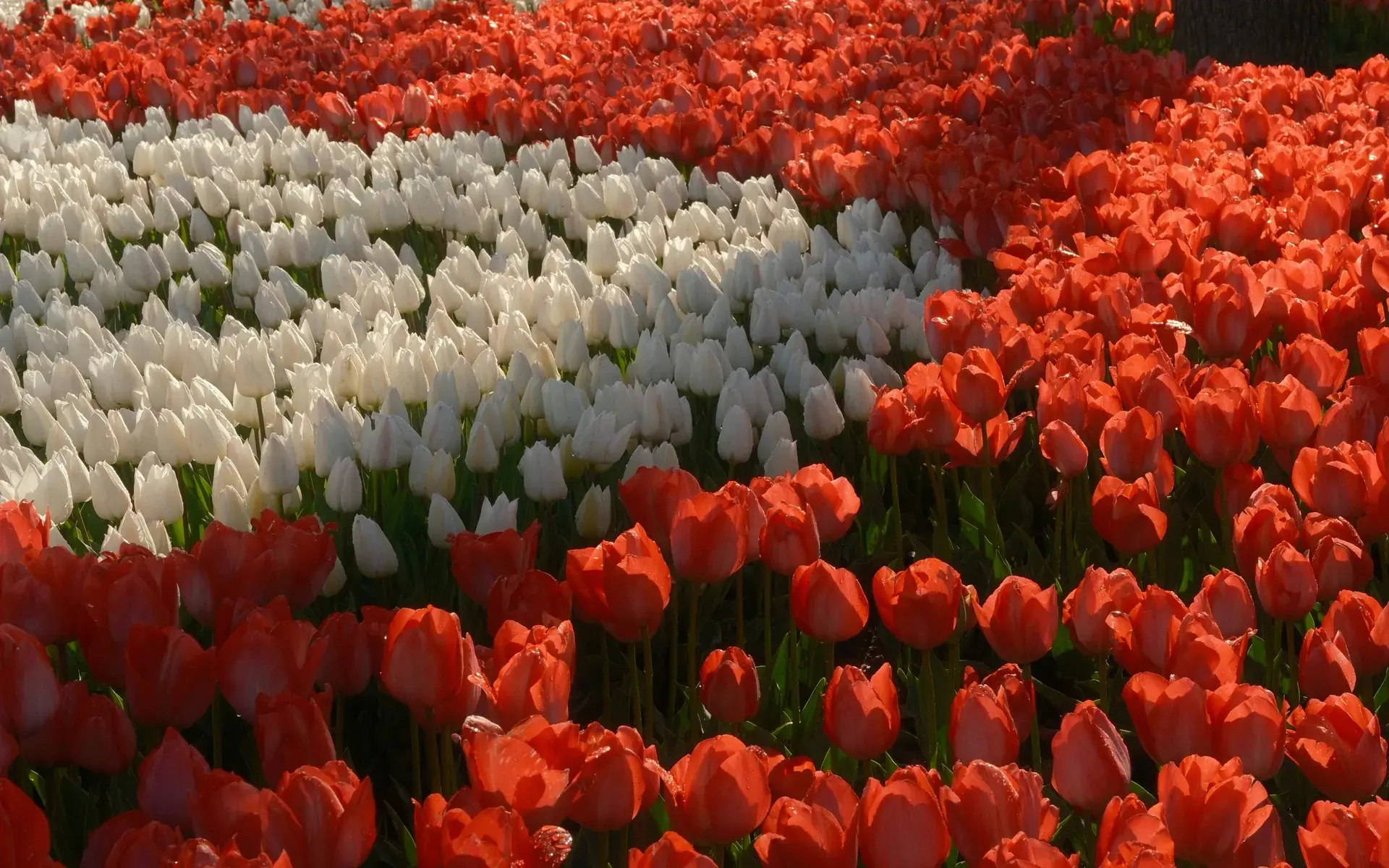
Spring is consistently Istanbul's most popular season for good reason. Temperatures climb from 13°C in March to 22°C in May, the sky is mostly clear, and the city is at its most photogenic. April's Tulip Festival sees over 30 million tulips planted in parks, roadsides, and traffic roundabouts — turning Istanbul into a riot of colour.
- Istanbul Tulip Festival
- April — Emirgan Park, Gülhane Park, 30M+ tulips
- Istanbul Film Festival
- April — Turkey's leading international film festival
- Average temperature
- April 10–18°C · May 15–22°C · Perfect for walking
- Bosphorus cruises
- Best light for photography in morning
Summer in Istanbul (June–August)
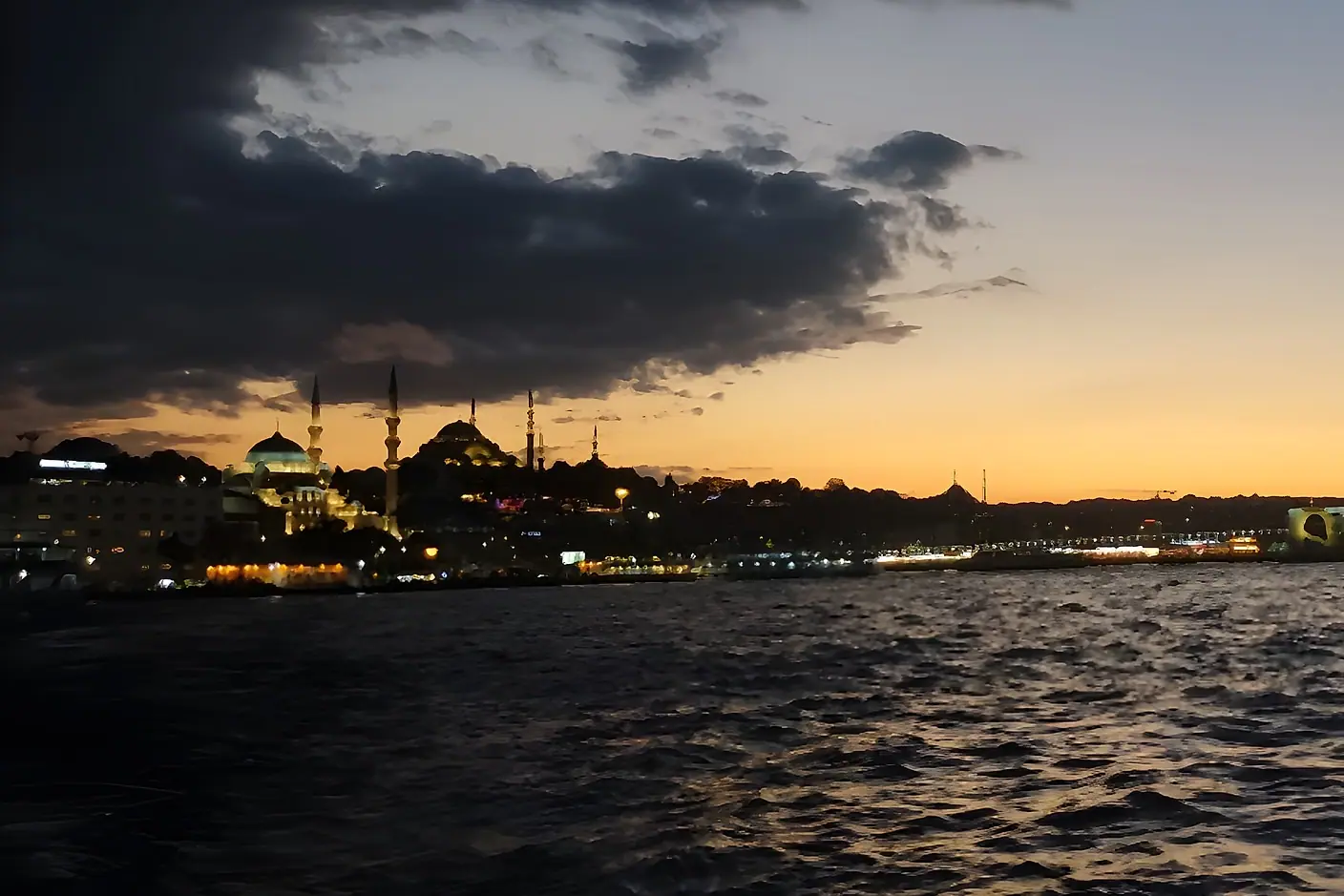
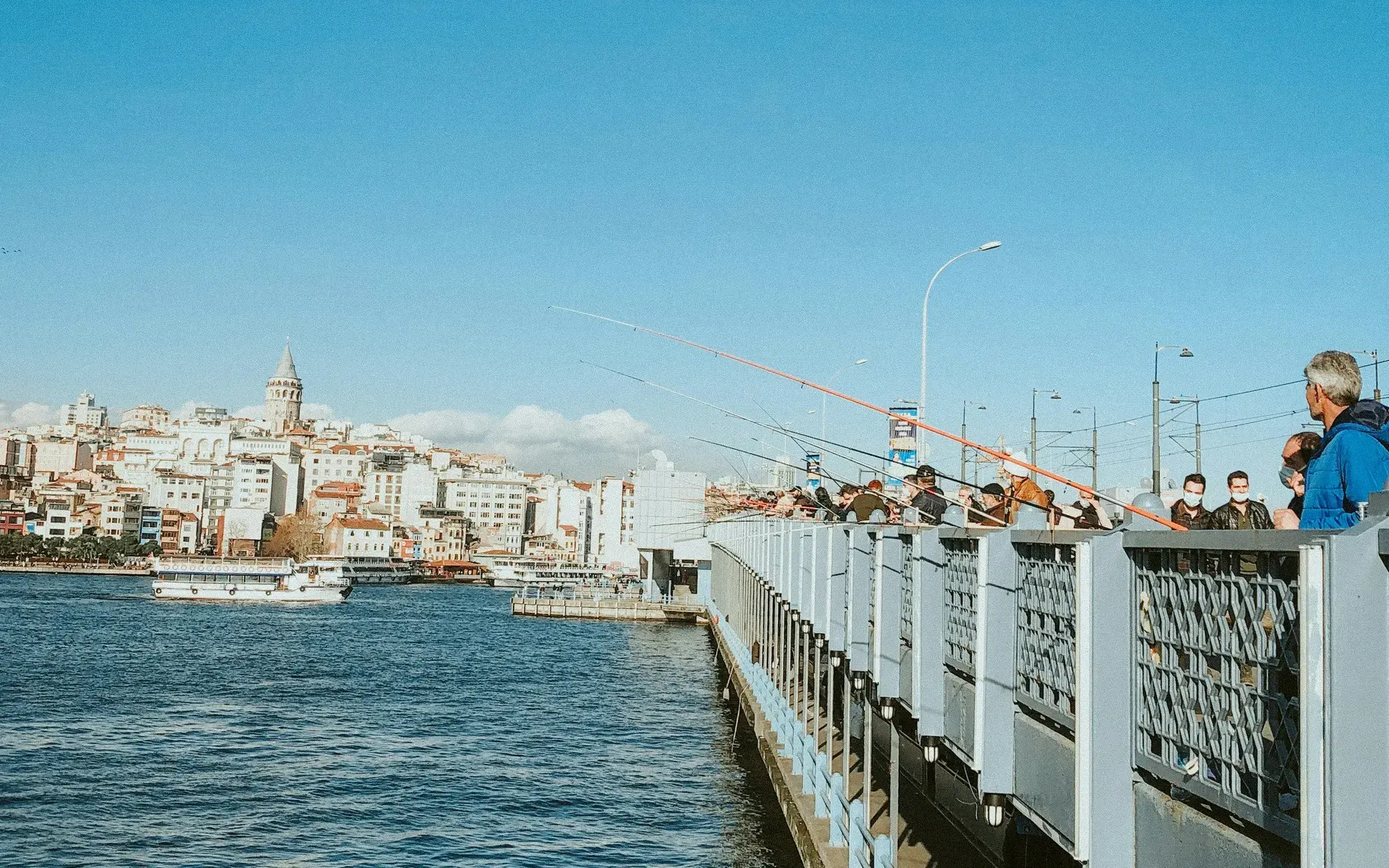
Summer is hot, busy, and expensive — but also exciting. The Bosphorus sparkles under long sunny days, rooftop bars open up across Beyoglu, and the city's nightlife hits peak energy. If you're visiting in summer, book major sites (Topkapi Palace, Hagia Sophia) for first thing in the morning before crowds build.
Summer Tip: Be at Hagia Sophia when visitor entry opens in the morning, or go late in the afternoon. Bring water. Midday heat (12:00–15:00) is best spent in a rooftop cafe or on the Bosphorus.
Autumn in Istanbul (September–November)
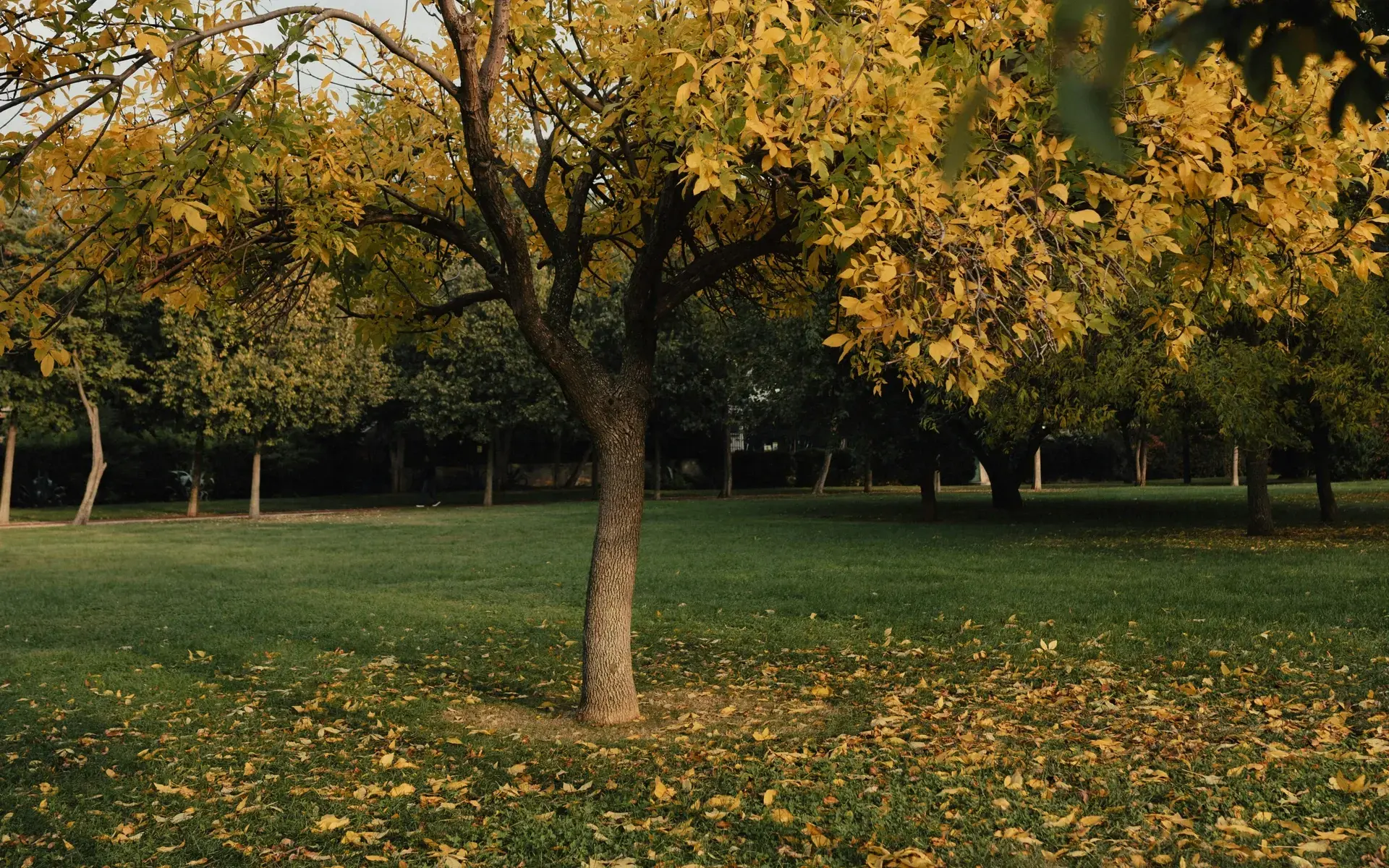
Autumn rivals spring as Istanbul's best season. September is especially glorious — warm enough for the Bosphorus (21–27°C sea temperature), smaller crowds than August, and golden afternoon light that makes everything look like a painting. October cools pleasantly and November is underrated — quiet, atmospheric, and very affordable.
- Istanbul Biennial
- Every two years, in autumn — contemporary art across the city
- Istanbul Marathon
- November — runs across the Bosphorus Bridge
- September temperature
- 21–27°C · still warm · crowds thinning
- Hotel deals
- Prices drop 20–40% from August peak by October
Winter in Istanbul (December–February)
Istanbul in winter is underrated. Yes, it's cold (5–10°C) and can be rainy — but the city is transformed. Major sites like Topkapi Palace and the Grand Bazaar are quiet, sometimes almost empty. Hotel prices can be 50% below summer peak. Snow falls on Istanbul roughly 5–10 days per year (mainly January–February), creating some of the most photogenic scenes imaginable.
Winter Secret: A snowy morning at the Blue Mosque or Hagia Sophia with almost no tourists is one of Istanbul's most magical experiences. If you don't mind the cold, late January can be extraordinary.